Automate Your Accounting: Save Time and Avoid Errors
Accounting: A Necessary Evil for Many
For many freelancers and SMEs, accounting is one of those tasks that pile up and consume precious time that could be dedicated to strategy, business development, or customer service. Invoices, receipts, bank reconciliations, taxes… the list is long, and errors can be costly. But what if I told you that much of this work can be automated?
What is Accounting Automation?
Accounting automation refers to the use of software and digital tools to perform repetitive accounting tasks that would traditionally be done manually. This includes everything from data entry to report generation and tax preparation. The main goal is to increase efficiency, reduce human errors, and free up time.
Key Benefits for Your SME or Business
- Time Savings: This is the most obvious benefit. By automating data entry and reconciliation, you or your team will spend fewer hours in front of spreadsheets or accounting software.
- Error Reduction: Machines don't get tired or make typos. Automation drastically minimizes mistakes that can lead to problems with tax authorities or incorrect financial decisions.
- Better Financial Visibility: With up-to-date and real-time processed data, you'll have a much clearer and faster picture of your business's financial health. This facilitates strategic decision-making.
- Simplified Regulatory Compliance: Many automation tools are designed to comply with current tax regulations, facilitating tax preparation and avoiding penalties.
- Increased Productivity: By freeing up time from administrative tasks, you and your employees can focus on higher-value-added activities for the business.
What Accounting Processes Can You Automate?
Almost any repetitive, rule-based process can be automated. Here are some examples:
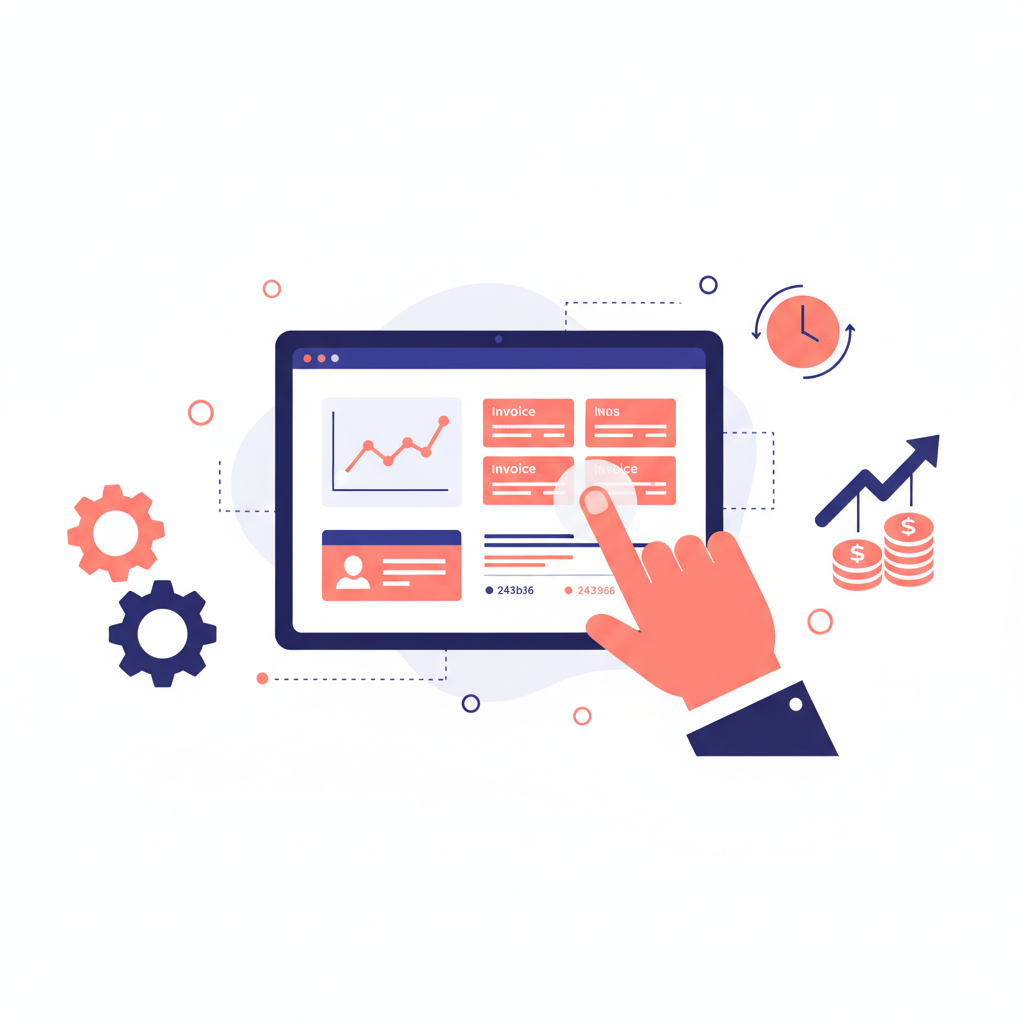
- Invoice Management: Automatic data capture from invoices (OCR), creation of recurring invoices, automated sending.
- Bank Reconciliation: Direct connection to your bank to automatically compare transactions and balances.
- Expense Management: Digitization of receipts, automatic expense categorization, expense approval.
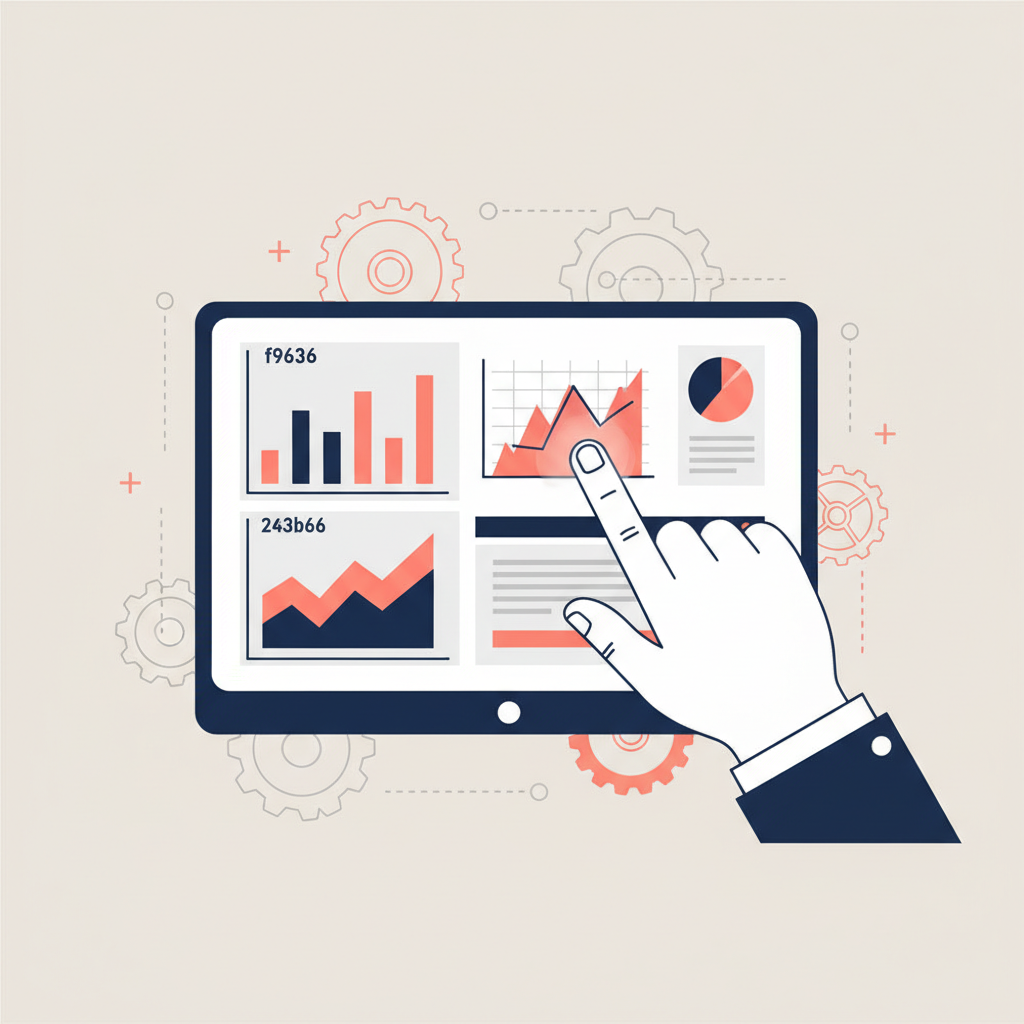
- Report Generation: Automatic generation of balance sheets, income statements, cash flow reports.
- Tax Preparation: Collection and organization of necessary information for tax declarations.
First Steps Towards Automation
You don't need to automate everything at once. Start small:
- Identify the pain point: What accounting task consumes the most time or causes the most frustration?
- Research solutions: There is a wide range of cloud-based accounting software (SaaS) that offers automation features. Look for one that fits the size and needs of your business.
- Start with one process: Perhaps invoice management or bank reconciliation. Once you feel comfortable, expand automation to other areas.
- Seek professional advice: At Factoría de Apps, we can help you identify the best tools and integrate them into your processes, ensuring a smooth and efficient transition.
Conclusion
Accounting automation is not the future; it is the present. It allows SMEs and freelancers to compete more effectively, make informed decisions, and, most importantly, reclaim valuable time. Invest in technology, and you'll see how your business not only saves money but also grows smarter and more sustainably.